Burn Surgeries✦ in Pune
(Acute Burn Care, Skin Grafting & Scar Contracture Release)
Acute Burn Resuscitation, Tangential Excision, Split-Thickness Skin Grafting (STSG) & Contracture Release
Thermal, electrical, and chemical burn injuries cause severe damage to the skin barrier and underlying soft tissues, often resulting in critical fluid loss, infection risks, and disabling post-burn scars. Timely, specialized surgical intervention is essential to save lives, preserve limb function, and minimize lifelong scarring.
Operated by Dr. Chintan Gujarathi (MCh Plastic Surgery, Tata Memorial Hospital Fellow) at accredited tertiary centers (Ruby Hall Clinic, Sassoon Rd & Manipal Hospital Kharadi), utilizing sub-millimeter precision, concealed micro-incisions, and advanced tissue-handling for natural, permanent outcomes.
Acute Care — Emergency Resuscitation
Parkland fluid protocol
STSG Grafts — Precision Skin Grafting
Tangential dermabrasion
Z-Plasty — Contracture Release
Restores joint range of motion
15+ Years — Surgical Experience
MCh, DrNB Board Certified
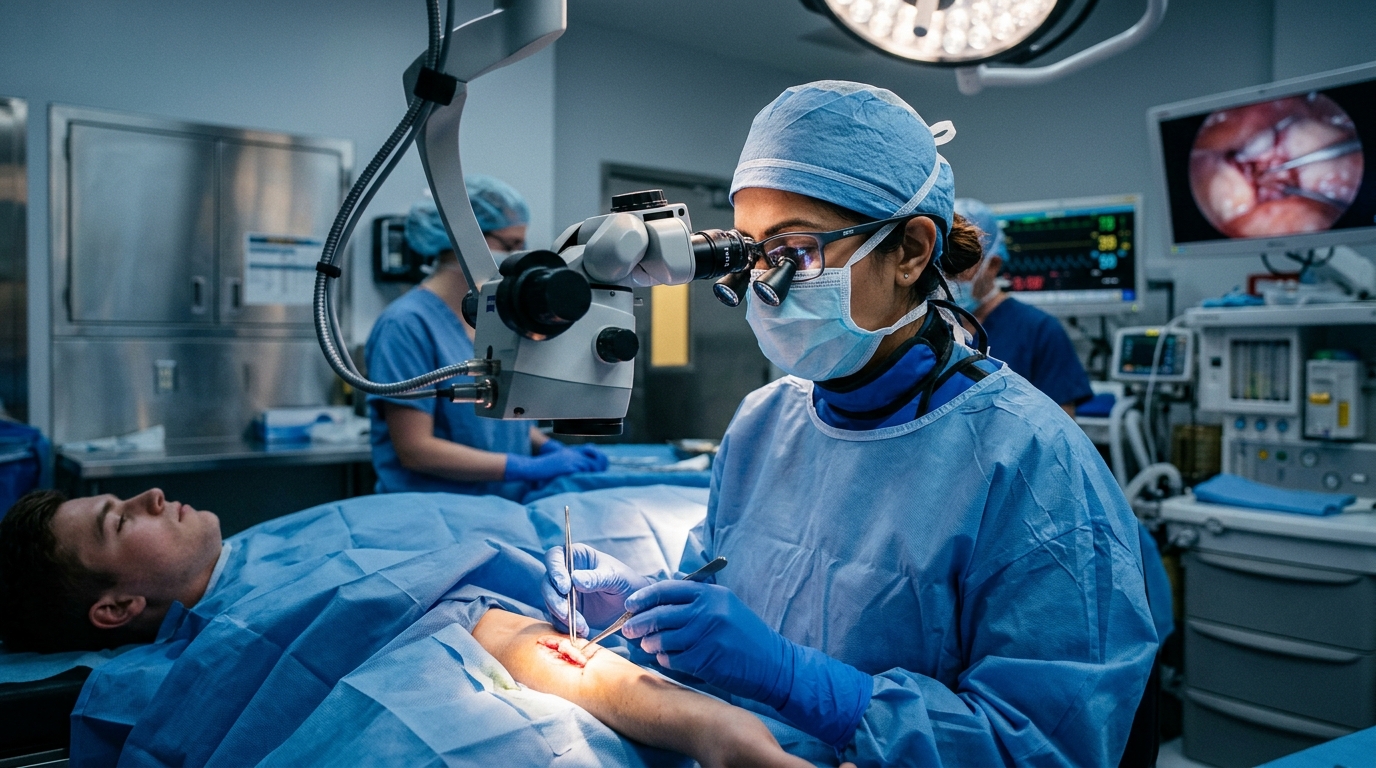
Surgical Approaches & Precision Techniques✦
Tangential Excision & Split-Thickness Skin Grafting (STSG)
Early surgical removal of burned necrotic skin and autologous healthy skin grafting.
Your Healing Journey & Care Guide✦
A straightforward clinical guide to what to expect and how to care for your results.
Bolster Immobilization & Graft Take
Surgical area remains securely dressed in a bolster dressing and custom thermoplastic splint. Monitored in specialized recovery ward.
Keep the splint strictly in place—zero motion during the first 5 days guarantees complete graft uptake.
First Dressing Inspection & Donor Healing
Bolster dressings are removed to inspect graft take (typically 95–100% uptake). Donor site is dry and healing rapidly.
Apply prescribed paraffin and antimicrobial ointment to keep new graft skin soft and supple.
Pressure Garment & Scar Conditioning
Grafts are fully incorporated. Custom-fitted pressure garments are initiated to prevent hypertrophic scar thickening.
Consistent pressure garment wear for 6 to 12 months is the single most effective way to keep burn scars flat and soft.
Full Joint Mobility & Active Life
Scars mature and fade in color. Normal joint range of motion and physical strength are fully restored.
Continue scar moisturization and routine follow-up visits to ensure joint flexibility is permanently maintained.
Recommended Best Practices (Do's)
- Wear custom-made elastic pressure garments as advised to prevent thick hypertrophic scarring.
- Perform daily range-of-motion stretching exercises for all operated joints to maintain full flexibility.
- Keep newly healed skin well-hydrated with pure coconut oil or prescribed medical moisturizers.
- Protect new skin grafts from direct sunlight using broad-spectrum SPF 50+ sunscreen for at least 12 months.
- Attend scheduled follow-up evaluations at Ruby Hall Clinic or Manipal Hospital Kharadi.
Precautions & Safeguards (Don'ts)
- Do not scratch or pick at dry scabs or peeling edges of newly grafted skin.
- Do not expose new grafts to hot water, heating pads, or harsh chemical soaps.
- Do not remove therapeutic splints prematurely without clearance from Dr. Gujarathi.
- Do not smoke or use tobacco products, as nicotine impairs microvascular graft perfusion.
- Do not allow operated joints to remain stationary in bent flexed positions for prolonged periods.
Frequently Asked Questions✦
Essential clinical answers on surgical safety, scars, and recovery in Pune.
Schedule Your Consultation with Dr. Chintan Gujarathi
Available for personal clinical consultations and surgical assessment at premier accredited tertiary hospitals in Pune: